Acai berries are a rich source of polyphenolic compounds, especially the flavonoids known as anthocyanins, which give the berry its characteristic deep purple color. Acai is high in oleic acid and contains palmitic and linoleic fatty acids. Linoleic acid (omega-6) is an Essential Fatty Acid which the body cannot produce and must obtain through diet. Acai is high in dietary fiber and contains a wide range of vitamins and minerals

Our AçaiVida® is produced so that some of the oil content normally present in Açai powders is reduced, ensuring it does not have the clumping issues often associated with açai juice powders. The delicious berry flavor, exceptional water dispersibility and creamy texture of AçaiVida® enables its use in a much wider variety of products than ever before.
Acai berries are a rich source of polyphenolic compounds, especially the flavonoids known as anthocyanins, which give the berry its characteristic deep purple color. Acai is high in oleic acid and contains palmitic and linoleic fatty acids. Linoleic acid (omega-6) is an Essential Fatty Acid which the body cannot produce and must obtain through diet. Acai is high in dietary fiber and contains a wide range of vitamins and minerals.

Acerola is a rich source of vitamin and also contains bioflavonoids like kaempferol, quercetin and rutin, which are required for the absorption of vitamin C in the body. It is a very good source of anthocyanins and the carotenoids lutein and beta-carotene.*

Acerola is a rich source of vitamin and also contains bioflavonoids like kaempferol, quercetin and rutin, which are required for the absorption of vitamin C in the body. It is a very good source of anthocyanins and the carotenoids lutein and beta-carotene.*

Adapt’n ThriveTM Adaptogen Blend is a plant-based organic powder blend of botanicals popular for their adaptogenic properties and used since ancient times in Ayurveda, Traditional Chinese Medicine and other cultures – Amla berry, Ashwagandha root, Astragalus root, Cordyceps mushroom, Goji berry, Lion’s Mane mushroom, Maca root, Panax ginseng root, Reishi mushroom and Siberian ginseng root (Eleuthero).
In addition to supporting a healthy stress response, adaptogens contain potent antioxidants, as well as vitamins, minerals, amino acids, fatty acids and fiber, and are known to provide a multitude of health benefits.

Nutrient-rich young alfalfa grass contains over 300 identified nutrients and phytonutrients. It is high in fiber and protein, and a rich source of vitamins and minerals, including magnesium potassium, iron and calcium. Alfalfa contains chlorophyll and many bioactive compounds like saponins, phytoestrogens, coumarins, alkaloids, phytosterols, terpenes, coumestrol, phenolics, flavonoids, isoflavonoids and carotenoids (provitamin A), as well enzymes, including amylase, invertase and pectinase.*

Amaranth seeds are high in protein, especially lysine, an amino acid found in low quantities in grains. It is a moderate-rich source of phosphorous, manganese and iron, and contains phytochemicals including polyphenols, saponins, tannins, oxalates and phytosterols.

The main bioactive compound in apple cider vinegar is acetic acid (ethanoic acid), a short-chain fatty acid. It also contains polyphenols, flavonoids, chlorogenic acid, citric acid, malic acid, lactic acid and tartaric acid.

The main bioactive compound in apple cider vinegar is acetic acid (ethanoic acid), a short-chain fatty acid. It also contains polyphenols, flavonoids, chlorogenic acid, citric acid, malic acid, lactic acid and tartaric acid.

Rich in antioxidants, apples contain quercetin, chlorogenic acid, procyanidin and catechin, and they are a good source of the soluble dietary fiber, pectin.

Aronia berries are rich in polyphenolic compounds such as anthocyanins, phenolic acids and flavanols.

The main bioactive compounds in ashwagandha root are alkaloids, mostly withanine and withanolides. Other phytonutrients it contains are saponins, choline, beta-sitosterol, chlorogenic acid, scopoletin, withaferin, sitoindosides, oligosaccharides and polysaccharides. Low in fat, it is a good source of dietary fiber, iron, calcium, potassium, copper, zinc and manganese.

Astragalus contains a range of bioactive plant compounds including triterpenoid saponins, bioflavonoids, polysaccharides and glycosides. Of the numerous triterpenoid saponins, five major ones make up more than eighty percent of the total saponins: astragalosides I, II, and IV, and isoastragaloside I and II.

Ripe yellow bananas are a good source of potassium, manganese and phosphorus. Bananas and plantains are high in fibers such as pectin and fructooligosaccharides (FOS).

Nutrient-dense baobab fruits are rich in prebiotic dietary fiber (including pectin), potassium and antioxidant phytonutrients (phenolics and bioflavonoids), high in vitamin C, calcium and magnesium, and contain a wide variety of vitamins and minerals. The bioflavonoids present in the fruits assist with the absorption of vitamin C in the body.

Young green barley grass is rich in chlorophyll, contains an array of flavonoids, the major ones being the flavones C-glycosides, saponarin and lutonarin, as well as containing beta-sitosterol and beta-carotene. It is low in fat, high in dietary fiber, especially insoluble fiber, and is a good source of protein. Barley grass also contains a wide array of vitamins and minerals as well as many beneficial enzymes, being especially high in the enzyme superoxide dismutase (SOD).

The nutritional composition of bee pollen varies depending on the diverse types of plants the pollens are gathered from. Generally, bee pollen consists of simple sugars (fructose and glucose), amino acids, fatty acids, vitamins, minerals and enzymes.

Beet root is an excellent source of dietary nitrate which is transformed in the body to nitrite in the blood, then into the biological messenger molecule, nitric oxide. It is also a rich source of betacyanins; betalain pigments which give red beet root its reddish-purple color. Beet root also contains smaller amounts of phenolic compounds such as flavonoids, phenolic acids and phenolic amides. It is also rich in carbohydrates, a good source of folate, manganese, potassium, magnesium, phosphorus, calcium, iron, sodium, copper, vitamin C, B-complex vitamins, amino acids and dietary fibers, both soluble and insoluble.

Beet root is an excellent source of dietary nitrate which is transformed in the body to nitrite in the blood, then into the biological messenger molecule, nitric oxide. It is also a rich source of betacyanins; betalain pigments which give red beet root its reddish-purple color. Beet root also contains smaller amounts of phenolic compounds such as flavonoids, phenolic acids and phenolic amides. It is also rich in carbohydrates, a good source of folate, manganese, potassium, magnesium, phosphorus, calcium, iron, sodium, copper, vitamin C, B-complex vitamins, amino acids and dietary fibers, both soluble and insoluble.

Berry Essential™ Antioxidant Blend(organic) is a unique combination of antioxidant-ripe berries; acai, acerola, amla, aronia, camu camu, cranberry, goji, grape, maqui, pomegranate, sea buckthorn.
The berries in this blend contain potent antioxidants like anthocyanins, resveratrol, quercetin, xanthones, carotenoids, flavonoids, ellagitannins, catechins, coumarins, polysaccharides, vitamin C and fatty acids, as well as containing fiber and an array of vitamins and minerals.

BettaBerries® Antioxidant Blend is a concentrated, proprietary blend of many of the most phytonutrient-rich and well-known berries. It contains Acai, Acerola, Amla, Cranberry, Goji, Jabuticaba, Mangosteen, Maqui, Pomegranate, and Strawberries. Bursting with potent antioxidant plant compounds, these berries contain polyphenols, anthocyanins, bioflavonoids, carotenoids, vitamin C, and an array of vitamins and minerals.

Rich in antioxidant compounds, Bladderwrack contains a significant amount of fucoidan (a sulfated polysaccharide) and a wide range of bioactive compounds such as: phlorotannins, fucoxanthin (the pigment that gives Bladderwrack its brown color), fucophlorethol compounds, alginic acid and fucoidans (polysaccharides, classified as dietary fiber), fucitol, the carotenoids beta-carotene and zeaxanthin, mucilage (soluble fiber), and vitamins and minerals such as iodine, calcium, sulfur, potassium, magnesium, sodium, zinc and vitamin C.

Blueberries contain a wealth of phytonutrients including anthocyanins, which give the blueberry its striking indigo color, proanthocyanidins, resveratrol, flavonols, pterostilbene, kaempferol, tannins, zeaxanthin and lutein. They also have high levels of manganese, vitamins B6, C, E and K, and dietary fiber, both soluble and insoluble.

Low in fat, high in fiber and a moderate source of protein, broccoli is rich in phytochemicals including glucobrassicin, carotenoids and flavonoids. Broccoli also contains glucoraphanin (the precursor to sulforaphane) and Indole-3-carbinol

Very low in fat and high in soluble fiber, broccoli provides protein and is packed with phytochemicals. It has a high level of folate and calcium, and is a good source of potassium, vitamin C and pyridoxine.

Rice bran contains essential amino acids, dietary fiber, fatty acids and trace elements while the germ is rich in vitamins, minerals and unsaturated oils. NP Nutra Brown Rice Protein Powder 80% is organic, gluten-free and dairy-free, making it a perfect alternative to soy and dairy protein powders.

Camu Camu contains the highest documented quantity of natural vitamin C on earth, usually about 5 to 6% naturally-occurring vitamin C. Virtually all vitamin C supplements are chemically synthesized molecules such as ascorbic acid, potassium ascorbate, magnesium ascorbate and calcium ascorbate, and are often made from genetically modified corn sugar. Compared to oranges, camu camu contains 30 times more vitamin C, 3 times more niacin, 10 times more iron, double the amount of riboflavin and 50% more phosphorus. Camu camu also contains beta-carotene, potassium, calcium and amino acids.

Carrots are well-known for their high content of beta-carotene. They are also a very good source of dietary fiber, vitamin C, vitamin K and potassium, and contain other important nutrients like thiamin, niacin, folate, vitamin B6 and manganese.

Low in fat and a good source of fiber, phenolic acids, flavonoids, carotenoids and choline, cauliflower is especially rich in antioxidant glucosinolates (sulfur-containing compounds) and their breakdown derivatives Indole-3-carbinol, sulforaphane and isothiocyanates.

Rich in antioxidant polyphenols and polysaccharides like beta-glucans (soluble dietary fibers), chaga mushrooms also contain phytosterols, triterpenoids, flavans, betulin and betulinic acid, benzoic acid derivatives, melanins and antioxidant enzymes. Chaga is also good source of fiber, amino acids, vitamins and minerals.

Partially defatted chia seeds are low in fat, an excellent source of protein and insoluble fiber, and also contain omega-3 essential fatty acids in the form of ALA (alpha linolenic acid), calcium, manganese, magnesium, iron, potassium, phosphorous, thiamine, riboflavin and niacin. The seeds contain phenolic compounds like caffeic acid, chlorogenic acid and the flavonols quercetin, kaempferol and myricetin.

Chlorella contains an amazing amount of essential nutrients; vitamins, minerals, essential fatty acids such as ALA, complete proteins, nucleic acids (RNA and DNA), peptides, polysaccharides, glycoproteins, beta-glucans, chlorophyll and energy providing sugars, like mannose and rhamnose. It also contains a vast spectrum of phytochemicals including the carotenoids lutein, xanthophyll, beta-carotene and alpha-carotene.

Coconut milk is high in fat, containing myristic acid, palmitic acid, caprylic acid, capric acid, stearic acid, oleic acid and noleic acid. It is a rich source of potassium and contains a variety of vitamins and minerals.

Coconut milk is high in fat, containing myristic acid, palmitic acid, caprylic acid, capric acid, stearic acid, oleic acid and noleic acid. It is a rich source of potassium and contains a variety of vitamins and minerals.

Coconut water is rich in natural electrolytes, especially magnesium and potassium, and is a rich source of cytokinins (plant hormones that support cell growth).

Coconut water is rich in natural electrolytes, especially magnesium and potassium, and is a rich source of cytokinins (plant hormones that support cell growth).

A rich source of antioxidants, cordyceps’ primary bioactive components are polysaccharides, nucleosides and their related components (especially cordycepin), and D-mannitol (cordycepic acid). It also contains fatty acids, proteins, trace elements and several sterols, including β-sitosterol, and Ergosterol, which is a biological precursor of vitamin D2.

Rich in phytonutrients, particularly proanthocyanidins, cranberries contain other phenolic compounds and carotenoids like ß-carotene, lutein, zeaxanthin and flavonoids like quercetin. They are also a good source of vitamins C, E and K, B vitamins, as well potassium, manganese and copper.

Rich in phytochemicals, dandelion root contains; the bitter tasting sesquiterpene lactones (generally occurring as glycosides), triterpenoids, phenylpropanoids, phenolic acids and their derivatives, coumarins, lignans, polysaccharides, and flavonoids. It also contains iron, calcium, potassium, magnesium, phosphorus and manganese, as well as soluble and insoluble dietary fiber, especially the prebiotic soluble fiber, inulin.*

Dragon fruits are a treasure-house of healthful nutrients including vitamin C, calcium, phosphorus, essential fatty acids, oligosaccharides and various betalains and phenols. The many tiny black seeds contained in the flesh contain omega-6 and omega-3 essential fatty acids

Elderberries are known to be a rich source of flavonoids, especially anthocyanins, which give the fruit its characteristic dark purple color. Other flavonoids include quercetin, kaempferol and beta-carotene and the berries also contain phenolic acids, tannins and essential oils. Elderberries are rich in potassium and a good source of calcium, iron, phosphorus and vitamin C

Fenugreek seeds contain many phytochemical compounds such as pyridine alkaloids (trigonelline), flavonoids, sapogenins and volatile oils, as well as sotolon, which is the potent aromatic compound mostly responsible for the unique aroma and flavor of fenugreek. The seeds are a good source of iron, manganese, calcium, copper, potassium, selenium, zinc, manganese, magnesium, B complex vitamins, folic acid, choline, amino acids and dietary fiber, especially non-starch polysaccharides.

The sulfur compound in garlic, allicin, is produced by crushing fresh garlic, which also produces other sulfur compounds including ajoene, allylpolysulfides and vinyldithiins. Garlic contains several nutrients including vitamins B1, B5, B6 and C, and the minerals manganese, phosphorus, calcium, iron and zinc

Gingerol is the major constituent of fresh ginger. It also contains shogaols, a sesquiterpene called zingiberene, beta-carotene, capsaicin, caffeic acid, curcumin and salicylate

These beautiful berries are a rich source of polysaccharides and one of the richest food sources of carotenoids (a better source than even carrots), including beta-carotene and zeaxanthin. They also contain beta-sitosterol and nineteen amino acids, including all nine essential amino acids. In addition, they are rich in potassium, contain complex B-vitamins, have higher levels of vitamin C than oranges and contain 21 trace minerals, including germanium, a trace mineral rarely found in foods.

These beautiful berries are a rich source of polysaccharides and one of the richest food sources of carotenoids (a better source than even carrots), including beta-carotene and zeaxanthin. They also contain beta-sitosterol and nineteen amino acids, including all nine essential amino acids. In addition, they are rich in potassium, contain complex B-vitamins, have higher levels of vitamin C than oranges and contain 21 trace minerals, including germanium, a trace mineral rarely found in foods.

Like other blue and purple fruits, concord grapes contain abundant polyphenols such as flavonoids like resveratrol and other compounds like hydroxycinnamic acids, catechins and methyl anthranilate, the aromatic compound responsible for the concord grape’s unique aroma and flavor. They also contain moderate amounts of vitamin C and potassium.

Green Balance Alkalizing Blend® (organic) is a synergistic “green” formula of concentrated alkalizing superfoods.
A valuable source of naturally occurring phytonutrients, chlorophyll, enzymes, vitamins and minerals, it helps boost energy, assist with mineral replenishment, provide optimal support for the body, and helps the body to maintain a healthy pH balance.
Alfalfa Grass, Barley Grass, Oat Grass, Wheatgrass: Rich sources of vitamins, minerals, enzymes, fiber, and phytonutrients like chlorophyll, saponins, coumarins, alkaloids, phytosterols, phenolics, flavonoids, alkaloids and carotenoids, and a good source of protein

Densely nutritious, hemp seeds are rich in omega-6 and omega-3 essential fatty acids at a healthy ratio of 3:1. Gamma linolenic acid (GLA) is an especially beneficial form of omega-6 found in the seeds. They also contain high-quality easily digestible protein, comprising 20 amino acids, including branched-chain amino acids and the nine essential amino acids. Hemp seeds are a good source of both soluble and insoluble dietary fiber, manganese, magnesium, phosphorus, iron, zinc, copper and vitamins E, K and some B vitamins. Additionally, the seeds are a good source of phytosterols and a source of some phenolic and polyphenolic compounds.

Inulin is a soluble dietary fiber (carbohydrate), and because of the β–(2←1) configuration of the fructosyl-fructose glycosidic linkages, it is resistant to digestion in the upper gastrointestinal tract. Once it reaches the colon it is fermented by the gut microflora and helps in the metabolism of compounds, mainly short-chain fatty acids (SCFAs), which promote health benefits.

JabuVital® is a delicious juice powder produced from the fruit that grows on the trunk of the Jabuticaba tree, also known as “Brazilian Grape Tree”. Jabuticaba is one of Brazil’s favorite fruits and the name Jabuticaba, derived from the Tupi word Jabuti (tortoise) + Caba (place), means the place where you find tortoises.
Jabuticaba’s deep purple skin covers a translucent white to rosy pink flesh that has a delicate, sweet flavor, a sub-acid tang and an exotic fragrance. As the fruit begins to ferment 3-4 days after it’s picked, fresh fruit is rarely available outside of growing areas and the fruit is processed and dried soon after harvesting.

One of the most nutrient-dense foods available, Kale is an excellent source of vitamins C and K, potassium, iron, copper and manganese. It is a good source of vitamin E, several B vitamins, calcium, magnesium, phosphorus, amino acids and dietary fiber, and also contains some alpha-linolenic acid (ALA), an omega-3 essential fatty acid. Kale is also a very good source of numerous plant compounds like chlorophyll, the carotenoids lutein and zeaxanthin, flavonoids like kaempferol and quercetin, and glucosinolates, which are broken down into biologically active compounds such as indoles like indole-3- carbinol, and isothiocyanates like sulforaphane.

Aside from being a rich source of iodine, kelp is a good source of vitamins A, B complex, D, E, K, dietary fiber and essential fatty acids. It also contains calcium, sulfur, iron, phosphorus, sodium, potassium and magnesium

Famous for their sour taste as a result of their high citric acid content, lemons are also an excellent source of naturally occurring vitamin C, or ascorbic acid, and contain the plant compound, citrus limonin. Like other citrus fruits, lemons contain a variety of phytochemicals like the flavonoid glycosides hesperetin, naringin, and naringenin, as well as containing smaller amounts of flavonoids like ß-carotenes, ß-cryptoxanthin, zeaxanthin, and lutein. They are a good source of dietary fiber and contain a number of vitamins and minerals, including B-vitamins (niacin, folate, thiamin, riboflavin, folate, pantothenic acid, pyridoxine) as well as zinc, magnesium, copper, iron, calcium and potassium.*

Lo han guo’s extremely sweet taste is attributed to its high content of mogrosides, especially mogroside V. Mogrosides are a group of terpene glycosides known to be 250 times sweeter than sucrose, and are numbered I to V according to their level of sweetness, with mogroside V being the sweetest. Lo han guo is also rich in polyphenols like siraitiflavandiol, and contains vitamins A and C, iron, potassium, calcium and 18 amino acids.

Lucuma fruit is an excellent source of carbohydrates, in particular starches, and fiber, especially insoluble fiber. It is a rich source of phytochemicals, especially the flavanol phenolics such as catechin and epicatechin and the carotenoids beta-carotene and xanthophylls. Lucuma is a good source of potassium, zinc, calcium, magnesium, vitamins B1 and B3 and contains a variety of other vitamins and minerals

More than 50% of the fats in coconut oil are MCTs, including C8 (caprylic acid), C10 (capric acid) and C12 (lauric acid). C8 refers to the eight-carbon chain that characterizes this fatty acid. Preliminary studies suggest that C8 is the most metabolically active medium-chain fatty acid, most easily converted to energy in the body, although more studies are needed.

Dried Maca is rich in complex carbohydrates, including polysaccharides and both soluble and insoluble fiber. It contains linoleic, palmitic and oleic acids as well as several secondary metabolites which are only found in the maca plant; macaridine, macaene, macamides and maca alkaloids. Glucosinolates are also secondary plant metabolites present in maca, which when broken down produce a variety of bioactive compounds, including isothiocyanates and indole products like indole-3-carbinol. Other compounds in maca include flavonoids, quercetin, saponins, tannins and sterols like beta-sitosterol, campesterol, ergosterol, brassicasterol, ergostadienol and stigmasterol. Maca is also a good source of amino acids, iron, magnesium, calcium and potassium.*

MacaXtra® is a concentrated powder of 100% organic maca root with a minimum 0.8% Glucosinolates.
Maca (Lepidium meyenii Walp), sometimes referred to as Peruvian ginseng because of its similar properties, is a cruciferous plant whose root resembles the parsnip, radish and turnip. For over 2,000 years it has been cultivated as a vegetable crop by the people of Peru, where it grows in the barren high plateaus of the central Andes, thriving in the harsh conditions.
Dried Maca is rich in complex carbohydrates, including polysaccharides and both soluble and insoluble fiber. It contains linoleic, palmitic and oleic acids as well as several secondary metabolites which are only found in the maca plant; macaridine, macaene, macamides and maca alkaloids. Glucosinolates are also secondary plant metabolites present in maca, which when broken down produce a variety of bioactive compounds, including isothiocyanates and indole products like indole-3-carbinol. Other compounds in maca include flavonoids, quercetin, saponins, tannins and sterols like beta-sitosterol, campesterol, ergosterol, brassicasterol, ergostadienol and stigmasterol. Maca is also a good source of amino acids, iron, magnesium, calcium and potassium.*

Mangoes are packed with dietary fiber, including the soluble fiber, pectin. They are a very good source of vitamin C, a good source of vitamin B6, and provide over 20 other vitamins and minerals. Mango fruits are abundant in polyphenolic compounds such as mangiferin, catechins, quercetin, kaempferol, astragalin, rhamnetin, anthocyanins, gallic and ellagic acids, propyl and methyl gallate, benzoic acid, protocatechuic acid, and carotenoids like zeaxanthin, lutein, alpha-carotene and beta-carotene.

Noni fruit is a rich source of carbohydrates, especially polysaccharides, as well as containing abundant phytonutrients like iridoids, flavonoids, scopoletin, anthraquinones, lignans and phytosterols like beta-sitosterol. It is also rich in iron, a good source of dietary fiber, and contains moderate amounts of potassium, calcium, manganese, selenium, phosphorus, magnesium, vitamin C and amino acids.

Noni fruit is a rich source of carbohydrates, especially polysaccharides, as well as containing abundant phytonutrients like iridoids, flavonoids, scopoletin, anthraquinones, lignans and phytosterols like beta-sitosterol. It is also rich in iron, a good source of dietary fiber, and contains moderate amounts of potassium, calcium, manganese, selenium, phosphorus, magnesium, vitamin C and amino acids.

The nopal cladodes are rich in dietary fiber, especially soluble fiber. They are also a very good source of potassium, manganese, calcium, polysaccharides, flavonoids, saponins, carotenoids, tannins and phytosterols, as well as containing beta-carotene, vitamin C and fatty acids.

NutraGrass™ is a concentrated raw juice powder made from freshly-harvested organic young wheatgrass sprouts.
Organically grown and harvested at the peak of its nutritional potency, the wheatgrass used in NutraGrass™ is gently dried by air stream at very low temperatures to preserve the bright colors, flavors and nutrients found naturally in the freshest wheatgrass juice.
Wheatgrass is rich in chlorophyll, protein, calcium, iron, potassium, magnesium, zinc and vitamin A, and contains many other vitamins and minerals. It also contains metabolic enzymes, including superoxide dismutase and cytochrome oxidase, as well as a wide array of antioxidant phytochemicals.

An excellent source of vitamin C (ascorbic acid) and a good source of citric acid and citrates, oranges are a very good source of dietary fiber, as well as a good source of potassium, calcium, folate and vitamin B1 (thiamin). They contain a wide variety of phytonutrient compounds including citrus flavanones like hesperedin and naringenin, carotenoids like beta-cryptoxanthin, as well as anthocyanins, hydroxycinnamic acids and a variety of other polyphenols. Despite being comprised of mostly carbohydrates and water, with very little protein or fat, oranges have a low glycemic index, due to their high fiber and polyphenol content.

Traditionally used as an adaptogen, Panax ginseng’s primary bioactive compounds are ginsenosides (triterpene saponins), of which about 50 types have been identified. It also contains phytonutrients such as polyactylene compounds, triterpenoids and phytosterols. Panax ginseng is a good source of polysaccharides and several B vitamins, and contains vitamin C and E, choline, calcium, copper, iron, magnesium, manganese, potassium, phosphorous, and zinc.

Papaya fruit is known mostly for the enzyme papain, which assists the digestion of proteins, as well as other enzymes that help the body digest and utilize important nutrients. Papaya is rich in beta-carotene (provitamin A) and flavonoids, as well as folate, potassium, iron, calcium, B vitamins, and vitamins C and E. It is also a good source of dietary fiber

Rich in vitamin C, passion fruit is a very good source of dietary fiber, including low-methoxyl pectin, and contains high amounts of piceatannol, a phenolic compound, and the carotenoids beta-carotene and cryptoxanthin. The fruit also contains a moderate source of iron, potassium, copper, phosphorus, magnesium, and some B-vitamins like niacin, riboflavin, folate and vitamin B6.

These nutritious legumes contain a wide variety of phytochemicals such as flavanols (catechin and epicatechin), phenolic acids (caffeic, ferulic and ellagic acids), carotenoids (alpha- and beta-carotene, lutein and zeaxanthin), saponins, coumestrol and β-sitosterol. Whole dried yellow peas are used to make pea protein. They contain the 9 essential amino acids, with exceptional levels of lysine and arginine.

Peaches contain many antioxidant phytonutrients, including chlorogenic acid, catechins and epicatechins, gallic acid, ellagic acid, rutin, isoquercetin, carotenoids and cyanidin derivatives, as well as vitamins and minerals.

PlantPWR™ Protein Blend (organic) - unsweetened, our proprietary plant-based protein powder, is non-GMO and Clean Label, containing no fillers, additives, sugars or artificial sweeteners. As a whole food powder, it also provides beneficial vitamins, minerals, phytonutrients, fiber and healthy fats.
Containing a minimum of 72% protein, organic PlantPWR™ Protein Blend is a great plant-based alternative to soy and dairy proteins. The complementary plant protein ingredients combine to form a complete protein powder that contains all the Essential Amino Acids, including the Branched Chain Amino Acids (leucine, isoleucine and valine), which are of particular importance in muscle growth, repair and maintenance. It also contains the Non-Essential Amino Acids.

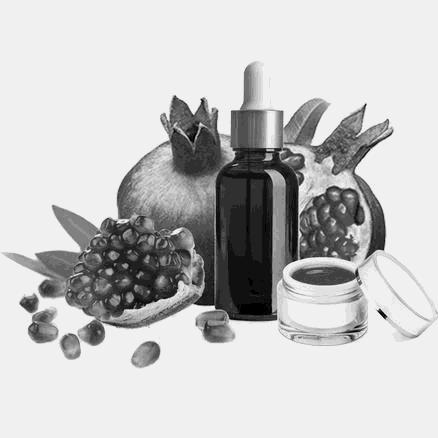
Pomegranate’s ruby red color is a result of its rich content of anthocyanins. It also contains abundant ellagitannin compounds such as granatin B and punicalagin, as well as punicic acid. The fruit is a very good source of soluble and insoluble dietary fiber, and a good source of calcium, copper, potassium, manganese, vitamin C and K, and B-complex vitamins such as pantothenic acid, folates, pyridoxine, niacin, thiamin and riboflavin.

Pomegranate’s ruby red color is a result of its rich content of anthocyanins. It also contains abundant ellagitannin compounds such as granatin B and punicalagin, as well as punicic acid. The fruit is a very good source of soluble and insoluble dietary fiber, and a good source of calcium, copper, potassium, manganese, vitamin C and K, and B-complex vitamins such as pantothenic acid, folates, pyridoxine, niacin, thiamin and riboflavin.

Pumpkin is rich in antioxidant carotenoids, especially beta- carotene, alpha-carotene, lutein and zeaxanthin, which provide its orange color. Packed with vitamins and minerals, especially potassium and phosphorus, pumpkin is also rich in carbohydrates, containing natural sugars as well as prebiotic soluble fiber and polysaccharides.

These nutrient-dense seeds are an excellent source of magnesium, iron, potassium, phosphorus and copper, and a good source of calcium, selenium, zinc, vitamin K, riboflavin (vitamin B2), niacin (vitamin B3), pantothenic acid (vitamin B5) and folate (vitamin B9). They contain antioxidant phytonutrients like phytosterols, squalene (a compound similar to beta-carotene), tocopherols (vitamin E) and carotenoids. Pumpkin seeds are a rich source of healthful fatty acids like linoleic acid and oleic acid, a good source of fiber, and a moderate source of protein.

Quinoa is gluten-free, high in protein and one of the few plant foods that contain all nine essential amino acids. It is also high in fiber, magnesium, B-vitamins, iron, potassium, calcium, phosphorus, vitamin E and various beneficial antioxidants, including the flavonoids quercetin and kaempferol.

Rasberries are rich in a wide variety of phytochemicals, especially ellagic acid and quercetin. They are an excellent source of vitamin C, a good source of manganese, and contain lesser amounts of several vitamins and minerals.*

Reishi mushrooms contain around 400 different bioactive compounds including: polysaccharides (divided into β-1,3-glucans and polysaccharide peptides like peptidoglycan), over 120 triterpenoids (mostly ganoderic acids), nucleotides, peptides (proteins), some bioactive proteins (like Lingzhi-8 and Ganodermin), glycoproteins, sterols (including ergosterol, known as pro-vitamin D2), fatty acids and minerals like copper, zinc, selenium, iron, calcium, manganese, magnesium and germanium.

Rosehips contain carotenoids (beta-carotene, lycopene, lutein and zeaxanthin), flavonoids, polyphenols, leucoanthocyanins and catechins.

Rich in protein (about 60% by weight), sacha inchi seeds are rich in essential and non-essential amino acids. They are also among the best plant sources of omega-3, omega-6 and omega-9 essential fatty acids, and a good source of fiber, calcium, potassium, iron and vitamin E.*

This red marine algae, wild-harvested from the intertidal regions of Peru, is a gelling and thickening agent due to its carrageenan content. It is nutrient-dense - rich in antioxidant phytonutrients, potassium, calcium, iron, sodium and prebiotic fiber, and a good source of an array of vitamins and minerals.

Rich in antioxidant polysaccharides like beta-glucans (soluble dietary fibers) and lentinans, shiitake mushrooms also contain eritadenine, terpenoids, sterols, lipids,amino acids, linoleic acid (an essential fatty acid), and various vitamins and minerals.

The roots of the plant are primarily used for their adaptogenic properties, although they are also known to boost energy. Eleutherosides are the main components of the root and there are seven primary eleutherosides in Siberian ginseng, with eleutherosides B (syringin) and E (syringaresinol) being the most studied. Siberian ginseng also contains complex polysaccharides, lignans, coumarins, phytosterols, saponins and many other phytonutrients

Spirulina contains over 60% complete protein, is a very good source of nucleic acids, lipids and essential fatty acids such as gamma linolenic acid (which is only otherwise found in mother’s milk), and contains complex carbohydrates like polysaccharides. It is rich in beneficial plant compounds like phycocyanin, chlorophyll and carotenoids (alpha, beta and gamma carotene, and xanthophylls like zeaxanthin). A rich source of iron and magnesium, spirulina is also a good source of zinc, manganese, calcium, potassium, phosphorous and choline, as well as vitamins E and K, B complex vitamins, and is one of the few plant sources of vitamin B12

Used as a non-nutritive sweetener, stevia contains minimal calories. Its sweet taste is derived from steviol glycosides (mainly stevioside and rebaudioside), which are 50–300 times sweeter than regular sugar. Stevia's taste has a slower onset and longer duration than that of sugar

More than 25 different anthocyanins have been found in strawberries, including pelargonidin, which is the most abundant, and is also responsible for the fruit’s bright red color. Its other beneficial plant compounds include ellagic acid, ellagitannins and procyanidins. Strawberries are a very good source of dietary fiber, vitamin C and manganese, and they also contain folate, potassium, magnesium, vitamin K, vitamin B6, pantothenic acid.

More than 25 different anthocyanins have been found in strawberries, including pelargonidin, which is the most abundant, and is also responsible for the fruit’s bright red color. Its other beneficial plant compounds include ellagic acid, ellagitannins and procyanidins. Strawberries are a very good source of dietary fiber, vitamin C and manganese, and they also contain folate, potassium, magnesium, vitamin K, vitamin B6, pantothenic acid.

Orange-fleshed sweet potatoes contain more beta-carotene (a fat-soluble provitamin A) than varieties with light-colored flesh. Rich in carbohydrates, sweet potatoes have a medium to high glycemic index. The carbohydrate content is comprised mostly of starches, especially rapidly digested starch. They also contain sugars (mostly sucrose, but also fructose, glucose and maltose), and some soluble and insoluble fiber. Sweet potatoes are a good source of antioxidant chlorogenic acids and various vitamins and minerals.

More than two hundred compounds have been identified in turmeric, with most being classified as phenolic compounds and terpenoids. The most significant bioactive compounds in turmeric are fat soluble polyphenolic pigments called curcuminoids, which are responsible for turmeric’s distinctive orange-yellow hue. Curcumin is considered the principal curcuminoid and others include demethoxycurcumin and bisdemethoxycurcumin. Turmeric is also a very good source of iron, potassium, magnesium and zinc, and contains some of the essential fatty acids omega-3 and omega-6, which are not produced by the human body and must be obtained from foods

Wheatgrass contains up to 70% chlorophyll and is rich in iron and dietary fiber. It is a very good source of calcium and a good source of potassium, magnesium, phosphorus, manganese, copper, zinc, selenium, vitamins C, K, E (tocopherols), A (carotenoids), B vitamins, and amino acids. It also contains metabolic enzymes, including superoxide dismutase and cytochrome oxidase, as well as a wide array of phytochemicals like phenolic compounds, terpenoids, flavonoids, alkaloids, saponins, tannins, steroids and glycosides. Sprouting wheat activates enzymes, improves amino acid content and reduces antinutrients